
Stop Hunting Like Everyone Else: 3 Lessons from My Biggest Failures
Subscribe to our YouTube Channel here.If there was an honorary Ph.D. for failing at turkey calling, I would graduate with honors. It looked so easy on the Primos VHS tapes I grew up with. One of their camo-clad pro staff would set up some decoys at the edge of a field, send out a few clucks while nestled against an oak tree, then 20 minutes later a tom would predictably come strutting in. Well, the turkeys in my home state of Oregon apparently failed to watch the same video.
I’m a firm believer that you can learn something from just about every experience. From the ashes of my most spectacular failures, here are three alternative strategies you can try when the birds aren’t cooperating.
Ambush
A couple years ago, I set up a blind inside the fir trees on our family’s 80-acre property. On two sides there was an overgrown field stretching 200 yards wide. After watching the turkeys crisscross this grass and weed-choked meadow for the past few days, I figured this would be a slam dunk.
That evening I used the very first turkey call I was ever given, a wooden Quaker push button, to cast out some purrs and clucks. Much to my surprise, a tom actually gobbled back. 45 tension-filled minutes elapsed by the time I caught my first sighting of his vibrant red, white, and blue head. He knew I was there, but approached without much commitment because he was already entertaining five uninterested hens.
The courtship show they put on was breathtaking, and at least that part was fit for TV. It didn’t seem to matter what combination of sounds I made, because they were doing their own thing and could not care less about my plans. Diagonally they ambled across the field, never once coming closer than 90 yards. They disappeared into the rows of firs that were remnants of our overgrown Christmas tree farm, and I slunk back to the house in defeat.
By chance, the next day I happened to drive past the scene of my humiliation on the way to our barn. I noticed where they disappeared into the trees yesterday corresponded with a well-established deer trail that led to a thick brush patch. This would be a perfect spot for the hens to nest, then roost in the tall Ponderosas that grew out of the steep hillside bordering our property line. Like the jolt of a shock gobble, it suddenly occurred to me I had been trying to pull these turkeys away from the path they naturally wanted to go.
Next time I set up my blind, I approached it through the mind of a deer hunter. Instead of thinking about where I would like to call in a perfectly fanned out gobbler like they did in my old movies, I ambushed them along the path they would take to bedding cover. As sunset grew near, movement from six dark forms grabbed my attention. A few clucks stopped them, then the old Remington 870 spoke up and vindicated me.
Like so many aspects of life, sometimes it pays to abandon what we think our quarry should do and consider what they naturally want to do. Using our vast array of calls is certainly the traditional approach. Sometimes it’s better to use those as the cherry on top of a spot selected through the mindset of a deer hunter, ambushing their target on its way to or from a bedding area.

Spot and Stalk
What if you disregarded convention completely and spent your April in mule deer and antelope country with binoculars in hand? My friend Tim Fain recently punched his tag while belly crawling through a wheat field. In our tiny central Oregon town of Dufur (yes, make your jokes about the name), you can find thick coniferous forest, mixed pine and scrub oak stands, wheat fields, and sage brush canyons all within a 15-minute drive. Most crowds congregate to the typical turkey territory with trees, which creates opportunity if you’re willing to look in unlikely spots.
In this high desert terrain, the rolling hillsides with eroded draws and wheat fields spread across the arable portions allow you to scan a lot of country. Like a submarine periscope, Tim spotted a tom picking his way through the knee-high crop. Using the terrain to conceal himself, he hustled to intercept the bird’s path. Crawling out of the draw and into the wheat on hands and knees, he slithered through the green stems. After closing enough distance, Tim slowly rose up into the kneeling position. A couple aggressive clucks made the bird stop long enough for him to pull the trigger.
I’ve seen other friends take gobblers that roosted in sagebrush canyons. Images ingrained in my head about what typical turkey territory should look like caused me to drive right past spots that undoubtedly held birds. If you’re willing to break away from the trees and look in country that you would usually associate with open country deer, you might find isolated pockets of opportunity. This can also work in crowded areas where the birds may be call-shy. Today’s super scatterguns with the amazing TSS shot and optics are enabling us to shoot farther than ever, which only increases your effectiveness for this style of hunting.

Sandwich Strategy
Bordering our childhood property was a few thousand acres then owned by the SDS timber company. It seems like we walked every inch of that ground only to have our quarry routinely do the opposite of what we planned. Towards the end of the season, my brother Brad and I heard some gobbles echoing from a ridgetop. We ran toward that hillside of sporadic oak and pine trees. With a concave shape to the slope, it was a total guess of which way he would go if he descended towards us.
All season we used the formation most magazines preached, with the shooter in front and the caller 50 yards behind. This was public land though, and after hearing dozens of people trying to fool them, a turkey call was half as likely to send a bird running the other direction. We decided to try sandwiching him, spreading out about 100 yards so one of us was on either side of the hill.
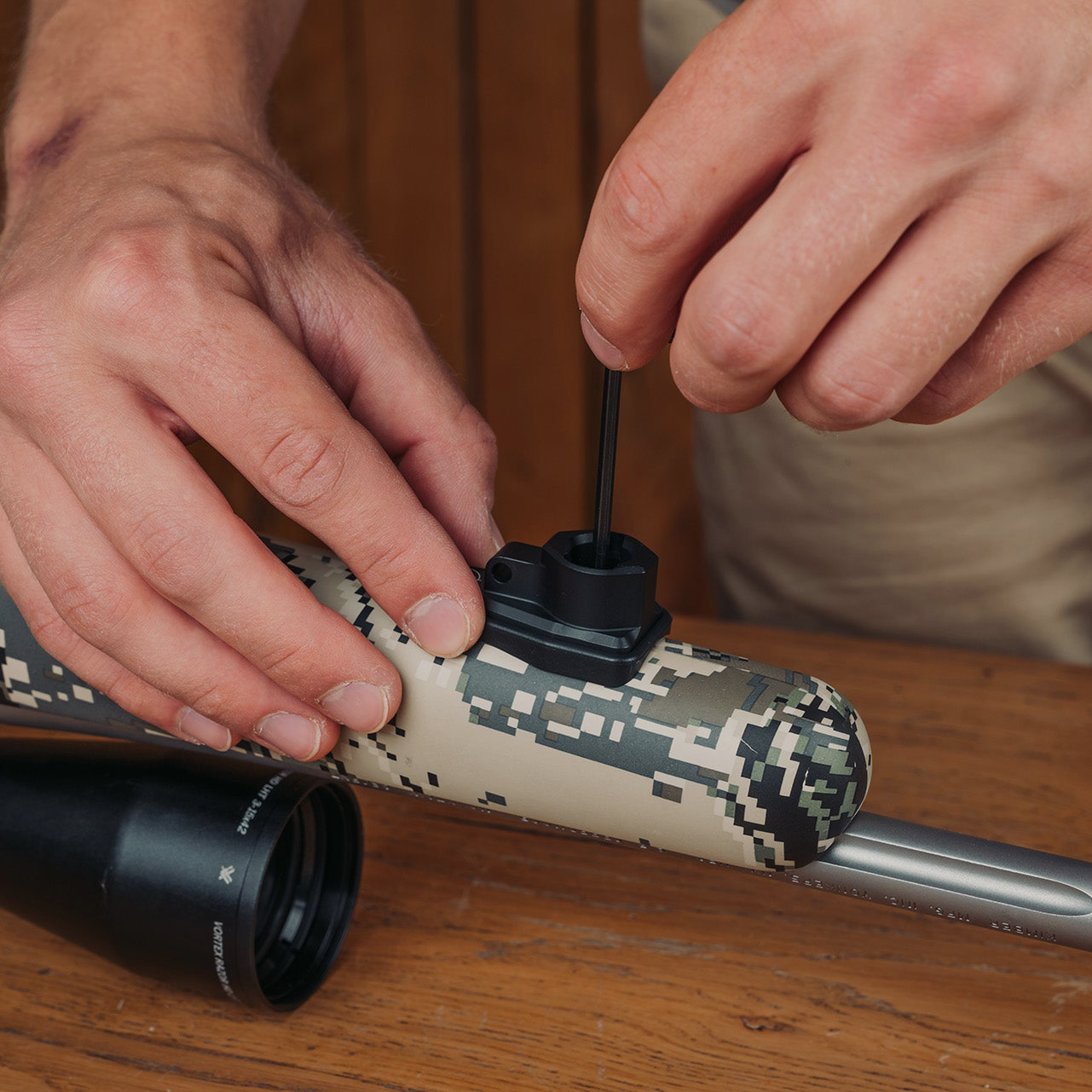
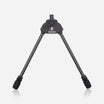
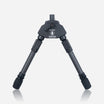
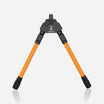
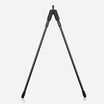
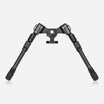
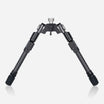
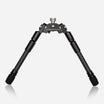
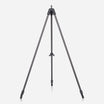
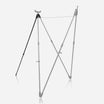
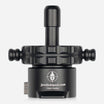
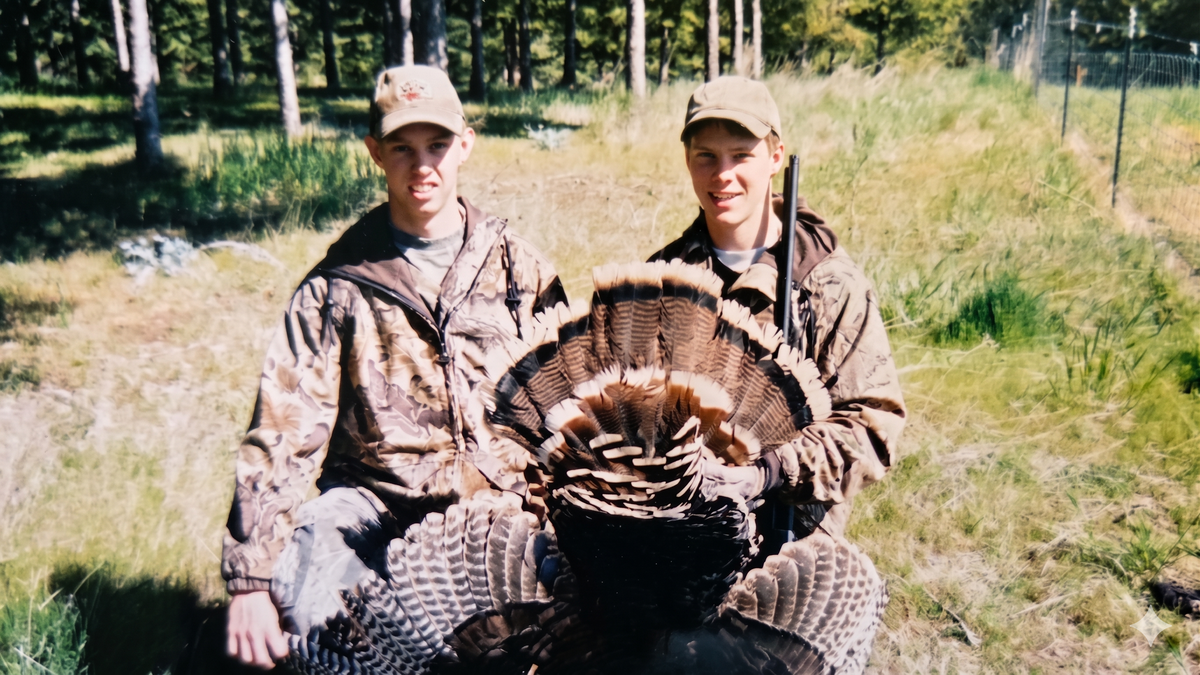
With my back uncomfortably resting against a scrub oak on the awkward slope, I scratched out some turkey talk on my slate and striker. If the Gobbler Adapter and SpringBok bipod existed at that time, it would have majorly helped to hold my shotgun at the ready while keeping both hands free for calling. An hour elapsed, and I heard him tentatively strutting down the hill. It could have been my aggressive and unskilled calling, or six weeks of other people trying to do the same thing, but about halfway towards me he veered the other way. What he didn’t know was that my brother was lying in wait over there. Boom! A swarm of copper plated #5 from Brad’s 20-gauge rolled him at 42 yards.
This experience happened to us all the way back in high school, but left a valuable lesson about turkey behavior in high pressure areas. If you’ve got a general idea about which way a gobbler will go, and you have a buddy, spread out so you’re covered if he comes into the call or runs the other way.
