How to Set Up Your First Hunting Rifle with JvB
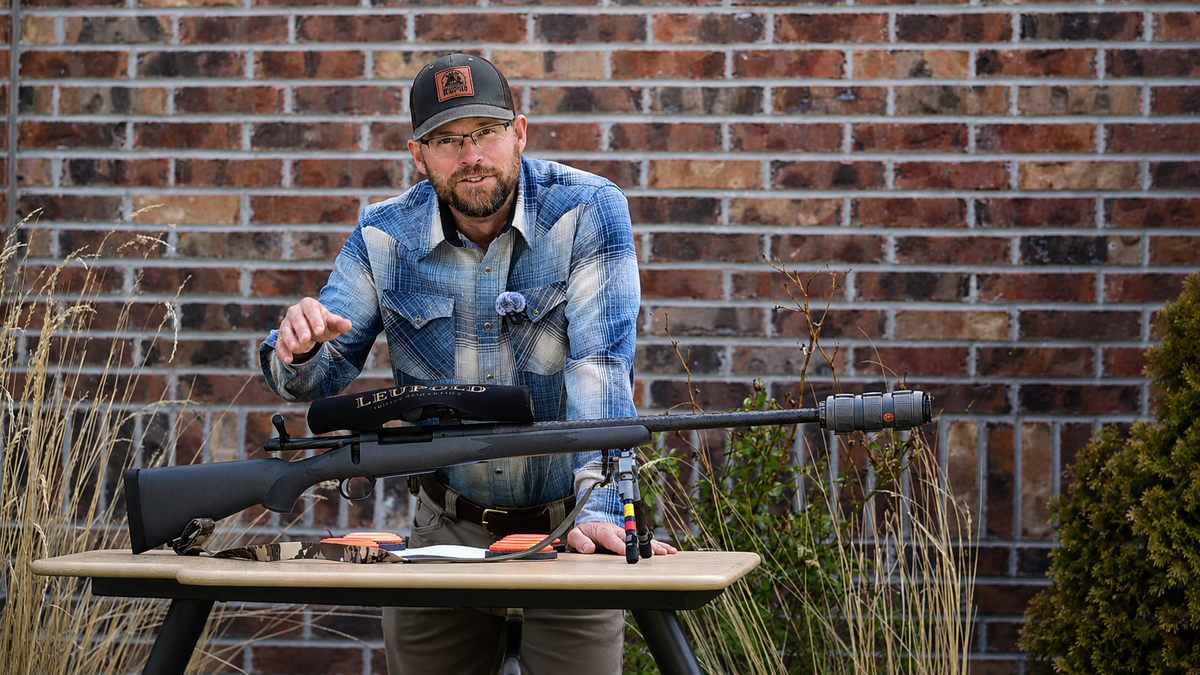
Subscribe to our YouTube Channel here.In this episode of the Backcountry Hunting Podcast, Joseph Von Benedikt walks through how to set up your first hunting rifle so you can have it ready for use. It is filmed as a primer for his elk hunting boot camp, but the advice is universal, from the open West to the mountains of New Zealand, Scotland, and beyond. If you are putting together your first hunting rig, here are the key points, condensed into a simple setup guide you can keep.
Start With the Rifle
Before you think about cartridges or fancy stocks, focus on the fundamentals.
- Reliability comes first. A rifle has to fire every time you ask it to. Be sure to run plenty of ammo through it and learn its quirks before you can trust it on a hunt.
- Accuracy you can repeat. You do not need a half-inch rifle. One inch groups at 100 yards on demand are plenty for the ranges most game is taken at.
- Ergonomics for the field. A lively, quick-pointing rifle beats a heavy competition stock once you are in timber and need a fast offhand shot.
- A trigger you can feel. Crisp and around two to three pounds, with enough weight that you can feel it with cold, adrenaline-soaked hands, not just on sunny days at the range.
Get the Scope Right
Your scope has to survive the trip and let you find game fast.
- Durability over warranty. Choose a scope you never have to send back, not one famous for how often it gets replaced.
- Quality glass. Do not cut the budget here. Clarity and light transmission matter most at first and last light when animals move.
- Low magnification. A wide field of view helps you find the animal quickly, stay on it through recoil, and make follow-up shots. Too much magnification works against you.
- A proper turret for distance. For shots past 300 yards, run a dial-up turret with a zero stop, sighted at 200, so everything closer is simply point and shoot.
Build Out the Accessories
The small pieces quietly decide a lot of shots.
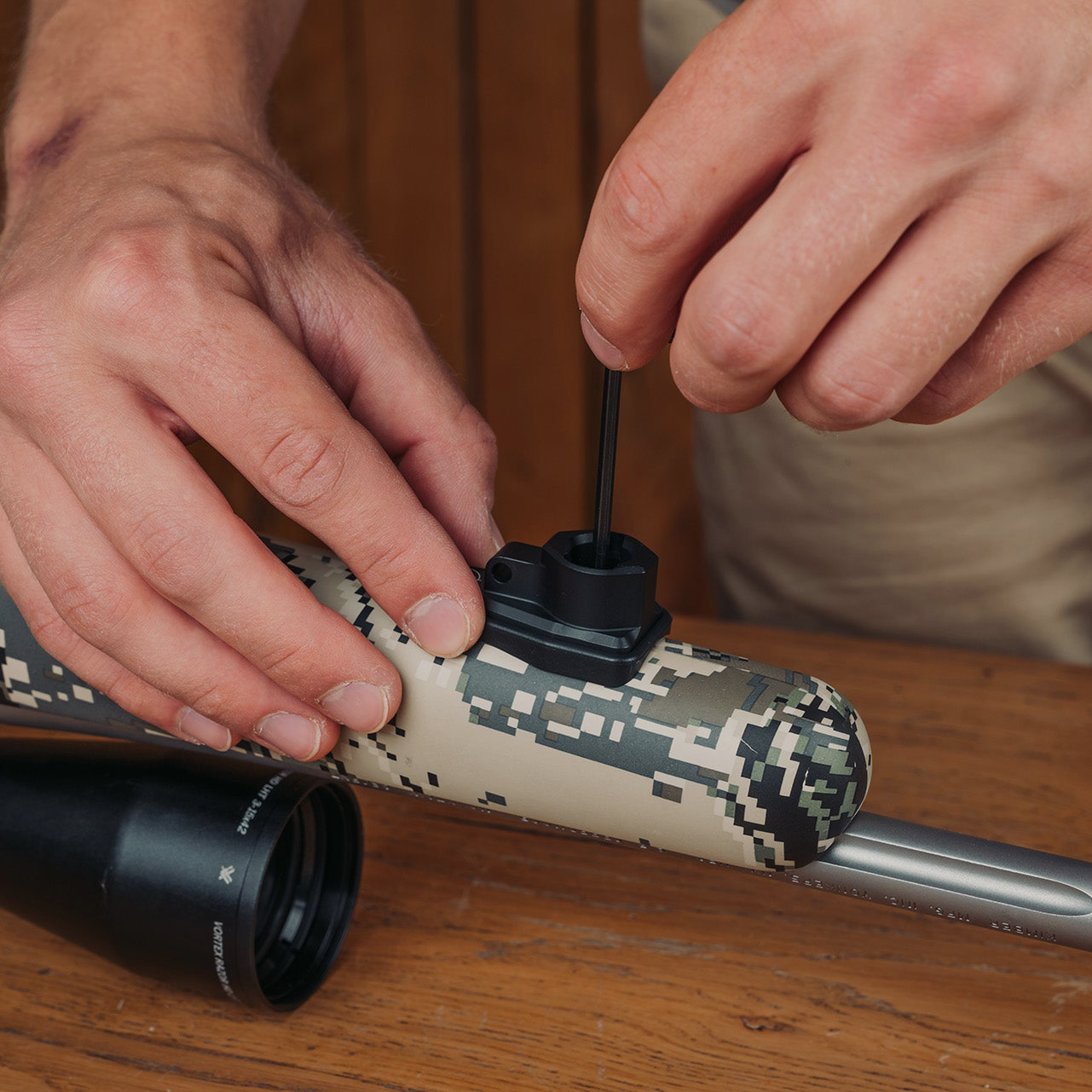
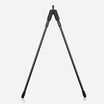
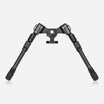
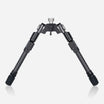
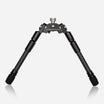
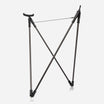
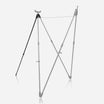
- A quick-detach bipod. Skip the heavy fold-under types that snag and twang. Joseph runs the Javelin Pro Hunt Tac, machined from aircraft grade aluminium at around five to six ounces, that snaps on and off magnetically and gives stable rifle support the instant he needs it.
- An anti-cant level. Mounted ahead of the scope on your support-eye side, so a tilted rifle does not push your shot left or right at distance.
- The right sling. Narrow, slightly flexible, and rubberised so it clings to your shoulder. Avoid the heavy padded cobra slings that swing your crosshairs off target.
- A suppressor if you can run one. It protects your hearing, cuts recoil, and steadies follow-up shots. Go titanium and compact for mountain weight.
- A lightweight shooting bag. Tuck it under the rear of the stock for a steadier shot in improvised field positions.
- Backup iron sights. Worth having in rigorous or dangerous-game country, so a destroyed scope does not end your hunt.
- A turret marker trick. Write your dialled come-ups straight onto the turret in silver marker, so you never have to fumble with your phone when a window is closing.
Joseph covers each of these in more detail in the full video. Use the points above as a checklist when you build or refine your setup, then watch the breakdown for the reasoning behind each choice.