The Best Rest for Bear Hunting
Each spring, black bears across North America emerge from their dens to begin a new year. Sportsmen seeking to shake off the doldrums of winter can do the same thing by planning to chase these elusive predators.
Subscribe to our YouTube Channel here.Each spring, black bears across North America emerge from their dens to begin a new year. Sportsmen seeking to shake off the doldrums of winter can do the same thing by planning to chase these elusive predators. Bear hunting is legal in 27 U.S. states, plus every Canadian province. Since the species and terrain they inhabit can feel so foreign to the typical deer hunter, it’s critical to put serious thought into which kind of support system is right for your specific endeavor.
There are specialty situations such as using bait, chasing with hounds, and going after grizzly or polar bears in rare opportunities. We are going to focus on the most popular species and styles of pursuit in which you would benefit from a dedicated support tool. An intuitive way to narrow down which gear you need is to think about whether you will be hunting over big clearcuts, hiking into the backcountry, or stalking through rolling hills and farmlands. Let’s dive into the considerations and recommendations for each of the three scenarios.
Glassing Clearcuts
These expansive swaths created by logging open up otherwise impenetrable timber stands. Some examples of where you will find this landscape are western Oregon and Washington, north Idaho, western Montana, southern Alaska, and provinces like British Columbia. This is an easy hunt to plan for because just about any type of support system will work. There will typically be an extensive network of roads throughout these units, so you’ll be doing a lot of driving and glassing. Often, you can even shoot from these private road systems, or nearby to comply with legal rules.
Long pokes across canyons are pretty typical, so be prepared to stretch your abilities. The good news is that you can use bigger and heavier gear to aid in precision because you don’t usually have to worry about cutting weight for long hikes. Just about any style of bipod or tripod will suffice to shoot from if you’re sprawled out on the gravel or nearby flat spot. If we were given free rein to cherry-pick anything from the Spartan catalog for this hunt, this is why each product made our top recommendations.
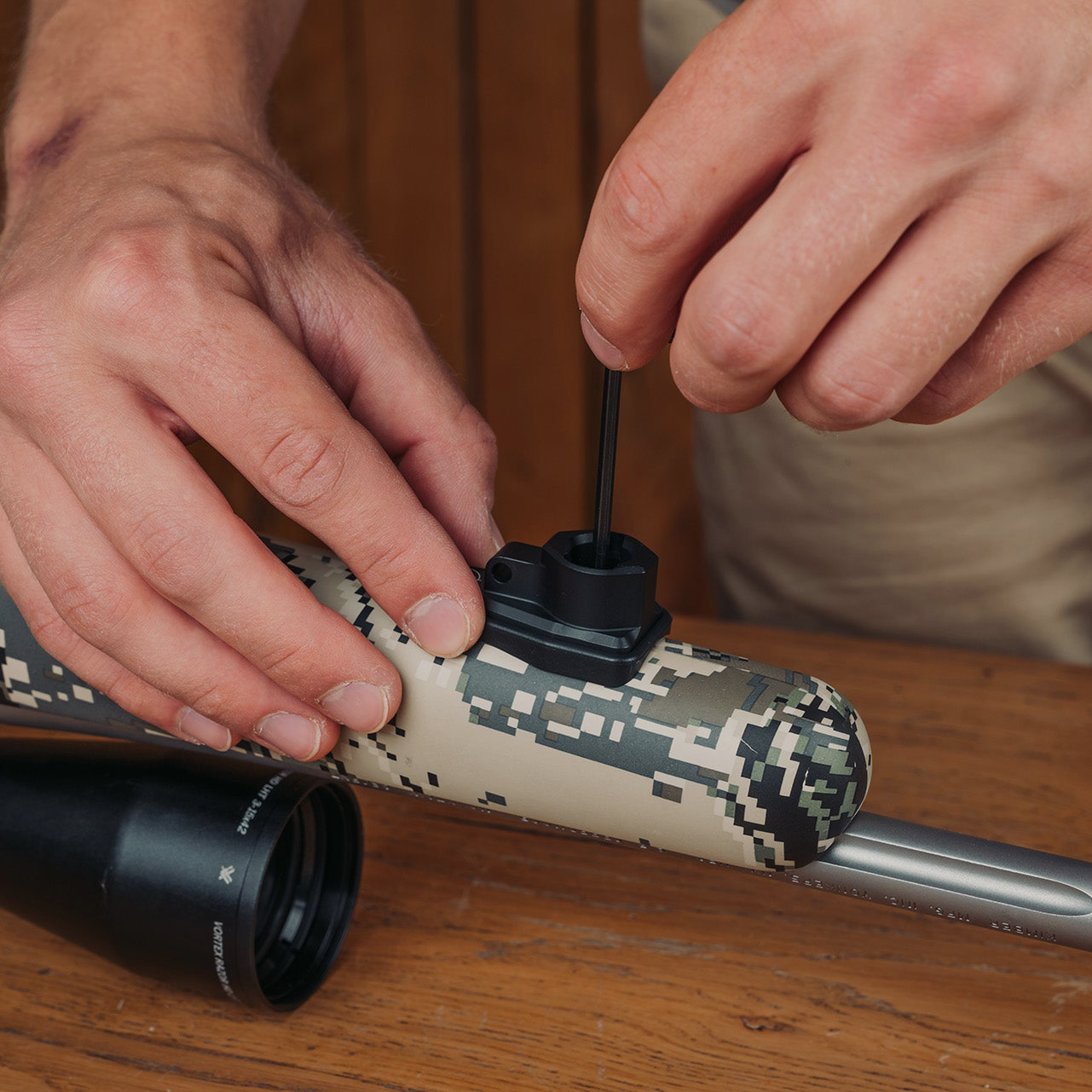
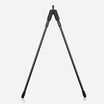
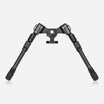
- Valhalla Gen 2 or Vidarr Bipod: These bipods offer slightly more stable semi-permanent attachment systems, a wider footprint, multiple leg pitch angles, and the most robust construction. The extra few ounces of weight can actually be beneficial here.
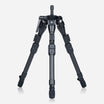
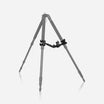
- Hoplite Mini Tripod: This hardly takes up any room in a backpack or truck cab. Use it to glass off the hood, then again for an incredibly solid shooting rest once you locate a bruin. Tripods offer a noticeable increase in stability over a bipod.
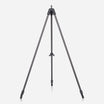
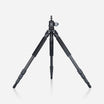
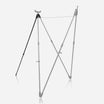
- Ascent Tripod™ Gen 2 W/ Davros Pro Head: Sometimes you have to walk into units. Use this as a multifunctional tool to both glass and shoot from. Its long legs can compensate for uneven terrain and help create a steady platform on steep slopes.
Remote Backcountry Areas
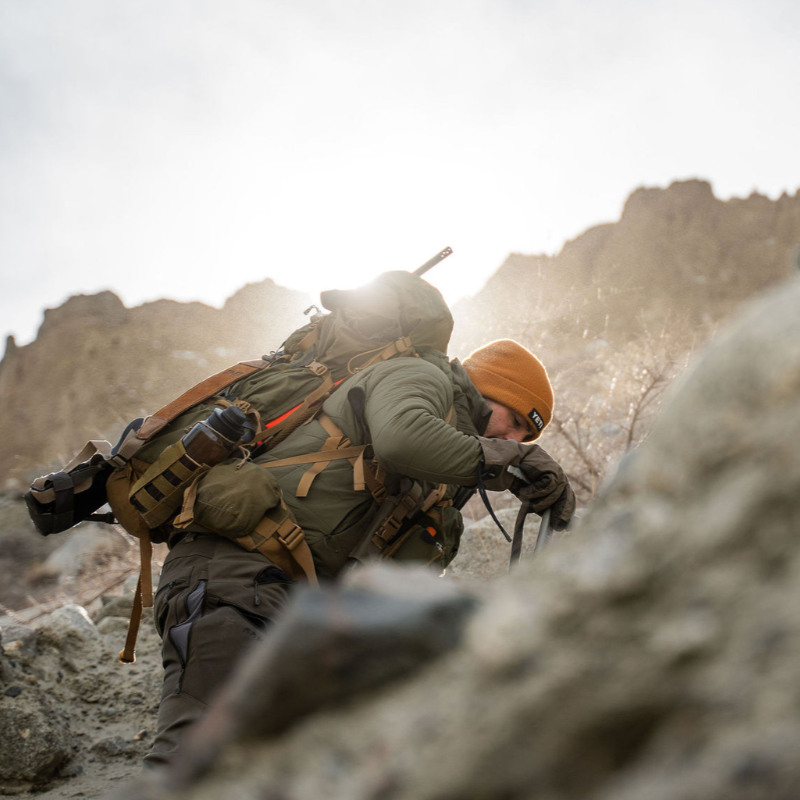
Here you will be packing in, frequently for days at a time. Some of the places you find this type of hunting would be eastern Oregon, Idaho, Montana, Wyoming, Alaska, or New Mexico. A premium will be placed on weight and bulk; factors that should strongly influence your gear choices. Flat ground will be hard to come by, so you’ll want to choose equipment that has lots of adjustability to account for awkward angles. Here are some choices to help you achieve these objectives.
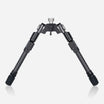
- Javelin Bipod: These are the last word in light weight and compactness. MagnaSwitch™ technology allows you to keep the rifle forend clean, then rapidly attach a bipod once an opportunity presents itself. At only 5-7 ounces, you’ll hardly notice it’s in a pocket. Here’s a guide to help select which of our three Javelins suits you best.
- Ascent Tripod™ Gen 2 W/ Davros Pro Head: This modular device is a tripod, bipod, monopod, and trekking poles combined into one. It cuts weight by allowing you to leave other equipment behind. Huge adjustability in height, and 4 leg pitches let you adapt to any terrain angle.
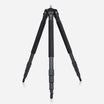
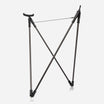
- SpringBok Tripod: A hybrid light-medium duty glassing tool and a strong shooting rest. The legs have twist knobs to make large height changes, but its real party trick is the flexible silicon head which enables quick adjustments without turning any knobs or levers. Both the above tripods are a massive asset when compensating for steep and sidehill angles, or reaching over brush.
Rolling Hills and Farmland
States like Pennsylvania, North and South Carolina, California, and agricultural areas of Alberta or Saskatchewan are just some examples of where you can find bears in mixed timber, rolling hills, and farm fields. Focusing on spot and stalk hunting, you won’t need super heavy gear for extreme range. Relatively painless hiking means you’re also not limited to ultralight gear either. High-quality food allows bears to grow fat in these areas. Here is what to take knowing you may have to really make a shot count on something huge.
- Javelin Bipod: This is an approach for the minimalist who doesn’t want to be bogged down, but would like to be prepared for any circumstance. It’s out of the way 99% of the time, yet available for that 1% when you absolutely need it.
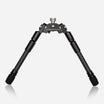
- SpringBok Bipod: Ridiculously portable for its height range. Flexible SpringBok™ technology lets you sprawl it out nearly flat for prone shooting, or bring the legs together for seated and kneeling positions. Use the twist lock to extend the legs upwards for reaching over vegetation and uneven ground.
- SpringBok Quad Sticks: While quite popular in Europe, this could be the next big thing for North Americans in this type of habitat. Securing both the front and back of your rifle with a single piece of gear is quite an advantage. Think of it as a mobile shooting bench, combined with the rapid adjustability afforded by the SpringBok™ silicon joints. Since you won’t be hiking enormous mountains or crawling over jackstraw timber, the 3-pound weight will be a worthy tradeoff for the additional precision it provides.
With opportunities to hunt deer and elk becoming more limited and increasingly expensive, bears offer much of the same thrills with more accessibility. We suggest prioritizing your support system by first thinking about what terrain it must work in, then the degree of precision required for anticipated shot distances, followed by the amount of bulk you’re willing to pack.
Layers of fat and thick hair quickly close entry and exit holes, so tracking a wounded animal with sharp teeth and claws sounds less enjoyable than a trip to the dentist. The rifle makes everything go boom, the scope lets you see the target, and a bullet does the work. It will be your rest that makes sure the bullet goes where it’s supposed to.