Field Tested: Hunter McWaters' Kodiak Pack Dump
Subscribe to our YouTube Channel here.Spartan ambassador Hunter McWaters shot this video straight after coming off a backcountry Kodiak blacktail hunt. He tips out his packs and goes through what he carried, what he used most, and what he might leave at home next time.
Clothing and Layers That Handle Alaska
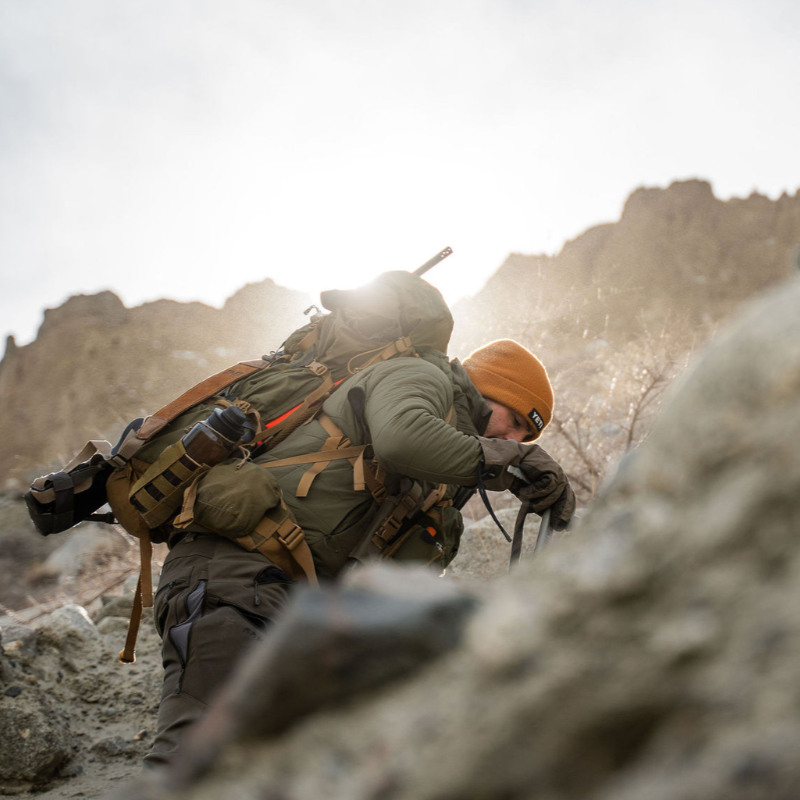
Hunter wears Lowa Camino boots and sleeps in zip off long johns so he never pulls cold pants over bare skin in the morning. His layering system runs from a merino base to a fleece mid layer and a full zip insulation piece that lets him add or remove warmth without taking off his binocular harness. A softshell covers misty days when he doesn't want to hike in rain gear, and a down puffy lives in his pack all trip. He also brings a second puffy just for camp, plus three quarter length puffy pants that stay clear of wet vegetation. Rain jacket and pants never leave the pack, and gaiters are non negotiable.
Spartan Dry Bag
A Spartan dry bag held his clean clothes, then took the dirty and bloody ones once the hunting started. It's a small item, but it kept the two apart.
Rifle, Bipod and Rear Support
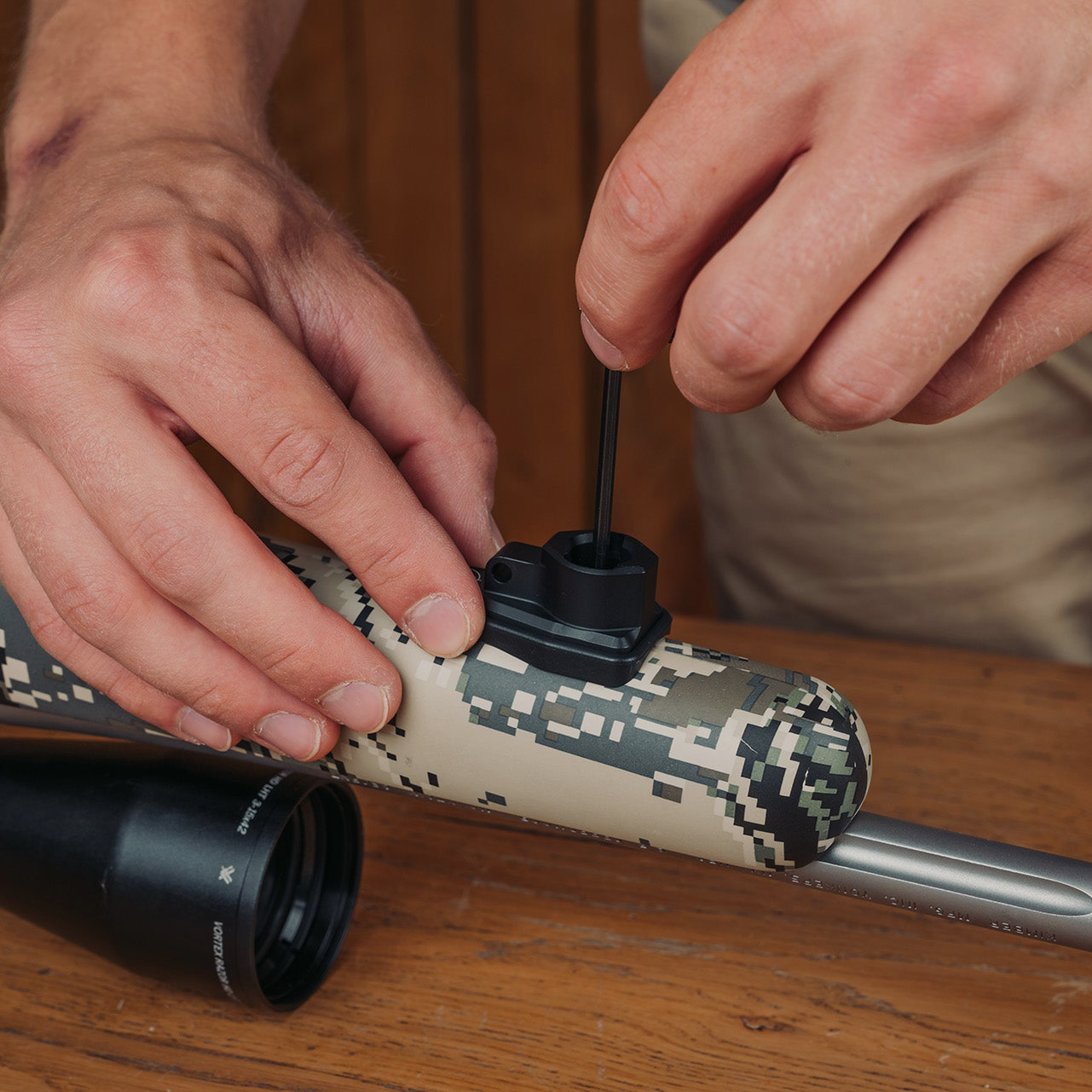
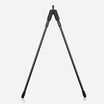
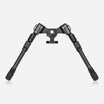
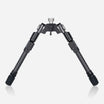
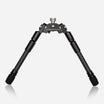
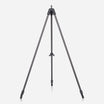
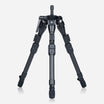
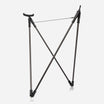
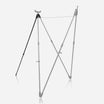
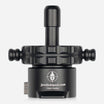
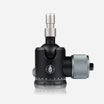
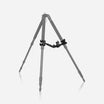
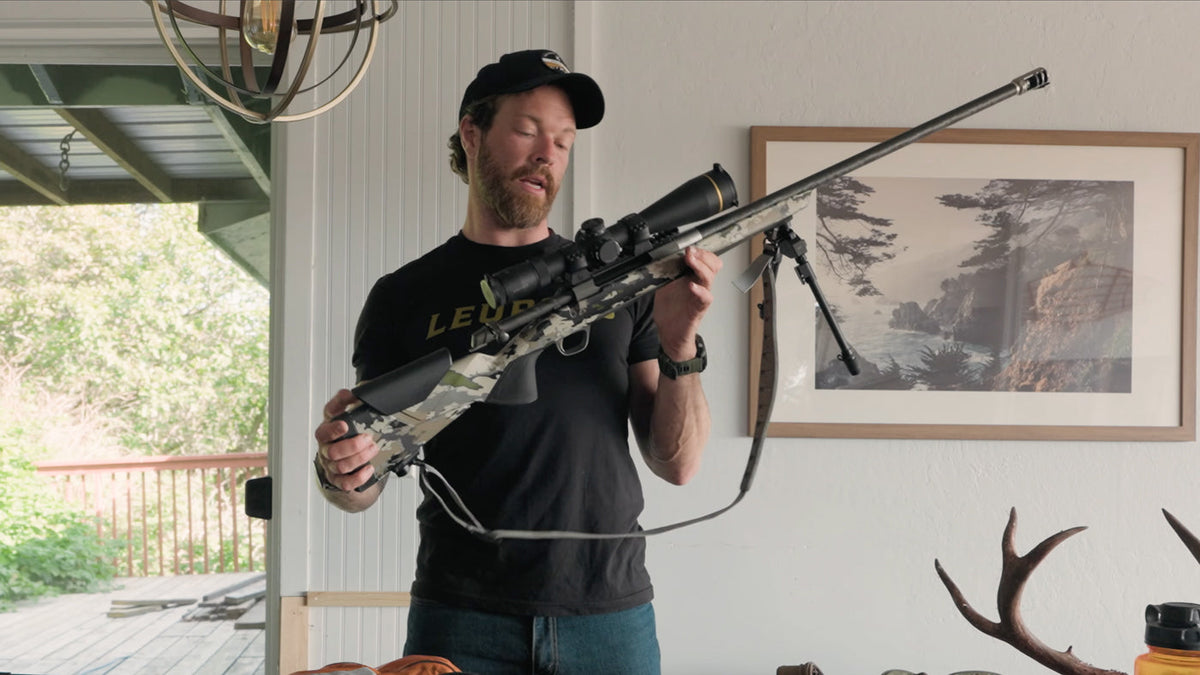
Hunter's Browning X-Bolt Speed 2 in 300 Win Mag has a Spartan adapter at the front carrying the Javelin Pro Hunt Tac Bipod, and he points out that you can still run a sling with it attached. A second Spartan adapter sits at the back so he can use a Hoplite Mini Tripod as a rear rest when there's time to set it up.
His thinking on support is simple. Hunts like this can mean shots at 400 or 500 yards, and after all the effort it takes to get within range, he wants everything he can to keep the rifle steady. The Pro Hunt Tac weighs 7.6oz and uses our MagnaSwitch™ quick attach system, simple for attaching and detaching from your rifle.
Glassing Gear and Trekking Poles
Because he's selective, Hunter carries a spotter and a carbon fiber tripod for glassing. He also carries trekking poles, and he doesn't hold back on why: he lost one right before the packout and says it made the walk out noticeably harder. His tip is to carry a few spare speed lock nuts, since they can crack.
Emergency Kit and Pack Extras
A lot of the video covers the small items that stay in the pack no matter what. That includes a lightweight tarp with lines on the corners and at least four stakes, an emergency bivvy, a tourniquet, a head net for flies, spare batteries, a compact repair kit with Allen keys and tape, and a kill kit with a saw, gloves and game bags. He also carries contractor bags for meat care, which came in handy on this trip.
Food, Water and Power
Hunter packs each day of food in its own bag so nothing gets forgotten at night. He eats calorie dense meals and snacks, since he burned close to 5,000 calories on some days. His water system uses bladders back at camp and a UV pen for anything he collects on the mountain, and a small foldable solar panel with a battery pack kept the camera gear and phones running. He also breaks down his lighting, from headlamps with flood beams to a tent light that stayed on through a stormy night in New Zealand.
Binoculars, Watches and Everyday Carry
The last part of the video covers what he wears on his person: a non magnetic binocular harness, electronic earplugs that let him hear conversation but protect against a shot, and range finding binoculars with a ballistics calculator. He also carries a satellite communicator for weather and messages, wears a Garmin watch with a range card in it as a backup, and travels with SKB hard cases for rifles and camera gear.
Watch the Full Pack Dump
The video runs about an hour and a half and is split into chapters:
- Camp, Shelter & Sleep System (0:35)
- Boots, Clothing, Layers & Rain Gear (8:49)
- Hunting Pack & Gear (18:54)
- Pack Accessories & Organization (37:42)
- Backcountry Food, Cooking & Camp Essentials (53:49)
- Bino Harness, Optics & Everyday Carry (1:09:17)